Optimal Seasons for Window Installations
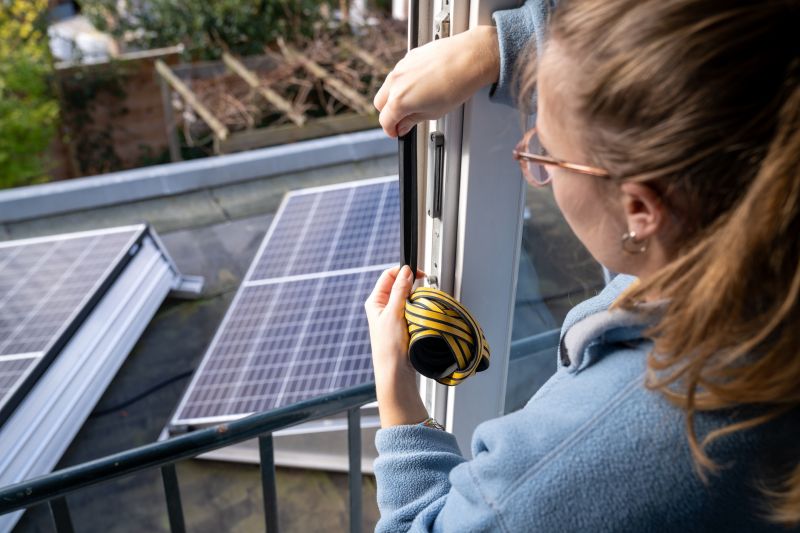
Spring offers moderate weather conditions, reducing installation delays caused by extreme temperatures or weather disruptions.
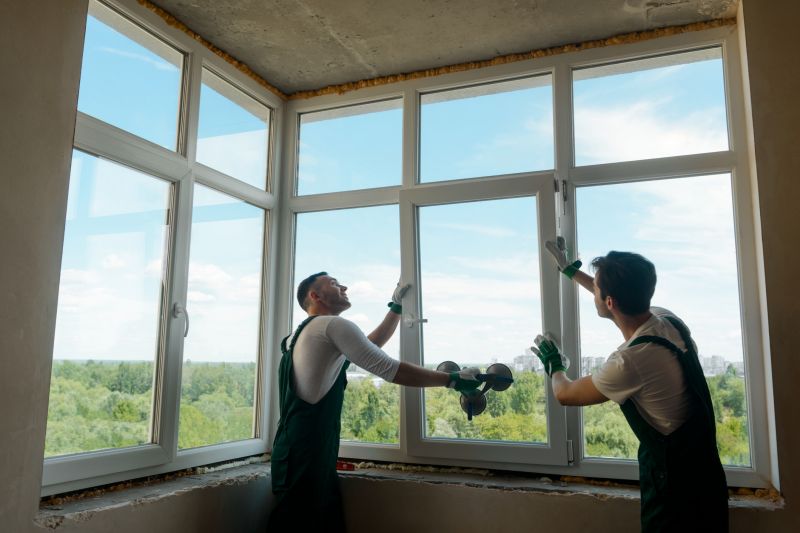
Summer provides longer daylight hours and stable weather, ideal for scheduling Windows installations without weather-related concerns.
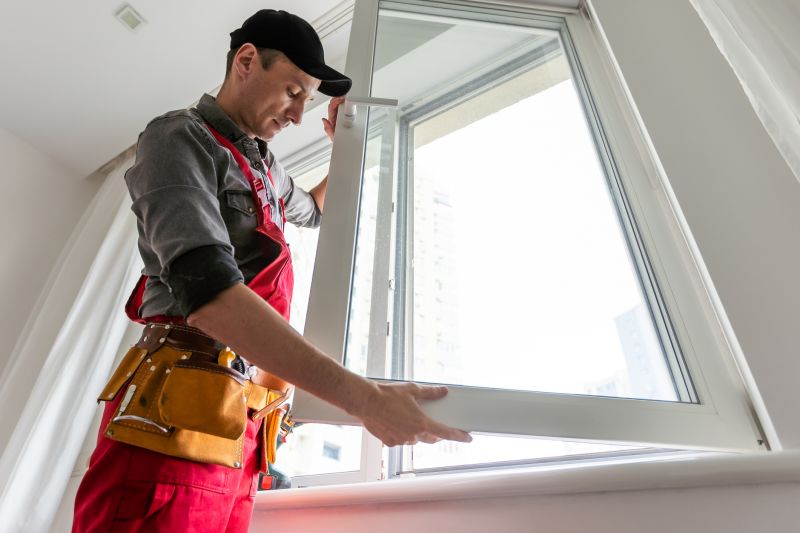
Fall's cooler temperatures and lower humidity levels can enhance installation efficiency and reduce potential issues.

Ways to make Windows Installations work in tight or awkward layouts.
Popular materials for Windows Installations and why they hold up over time.
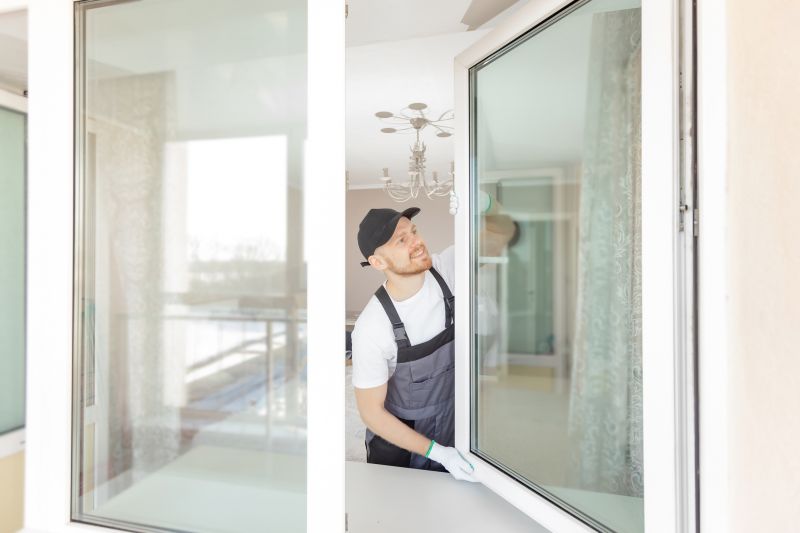
Simple add-ons that improve Windows Installations without blowing the budget.
Statistics show that over 60 percent of installations are completed successfully during spring and fall, thanks to favorable weather conditions. Summer installations benefit from extended daylight, but extreme heat can sometimes affect materials and worker comfort. Winter, with its cold temperatures and potential snow, is generally less suitable unless specific measures are taken. Planning around these seasonal patterns can help ensure a smooth installation process and long-term performance of windows.
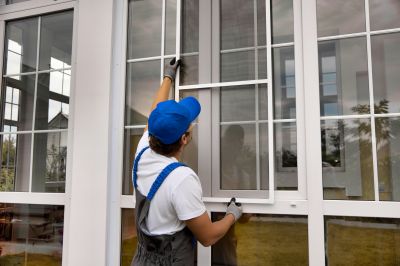
Spring's moderate temperatures facilitate efficient installation and reduce weather-related delays.

Longer daylight hours and stable weather support timely completion of window installations.

Cooler weather and lower humidity levels improve installation quality and sealing.
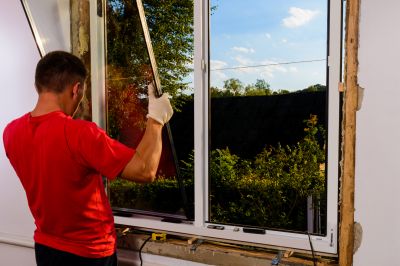
Cold temperatures and snow can hinder installation, requiring specialized techniques.
| Season | Optimal Conditions |
|---|---|
| Spring | Moderate temperatures, low humidity, minimal weather disruptions |
| Summer | Extended daylight, stable weather, but potential heat concerns |
| Fall | Cool temperatures, low humidity, ideal for sealing |
| Winter | Cold temperatures, snow, less suitable without precautions |
Scheduling windows installation during seasons with predictable weather reduces delays and improves quality.
Materials used in window installation perform better in moderate temperatures, ensuring durability.
Aligning installation dates with favorable weather windows minimizes project disruptions.
Proper timing enhances energy efficiency and extends the lifespan of windows.
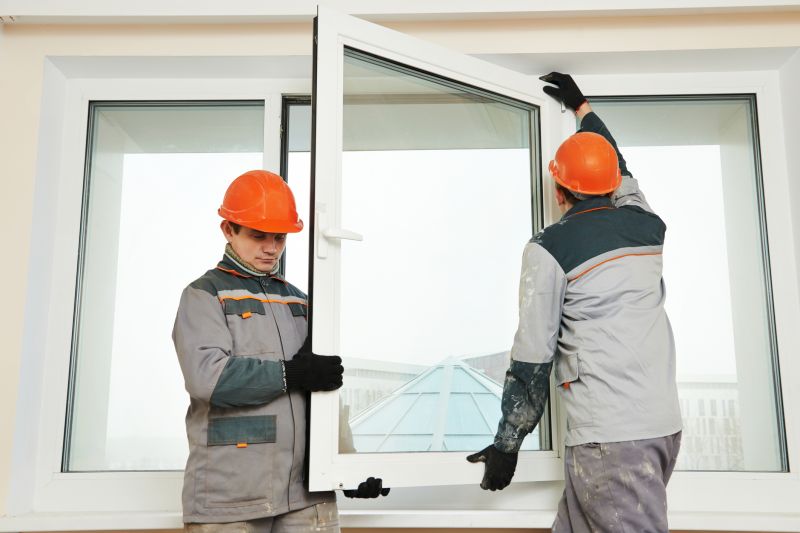
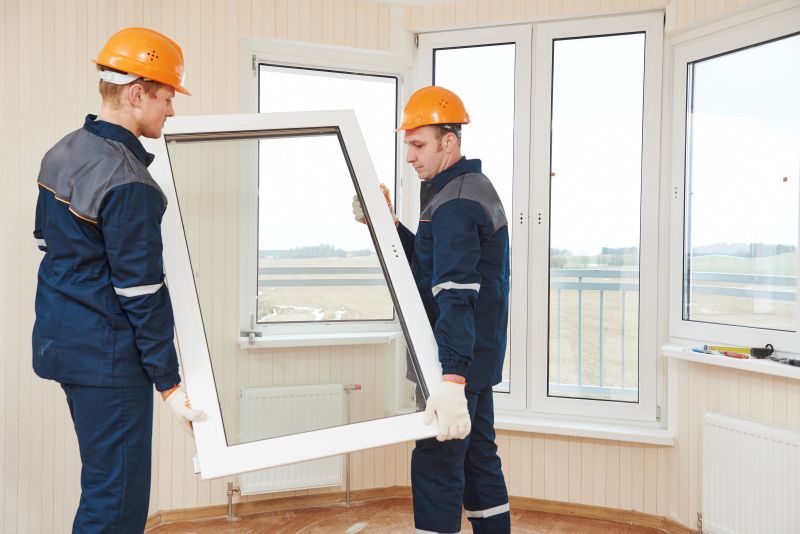
Workers installing windows amidst blooming trees and clear skies.
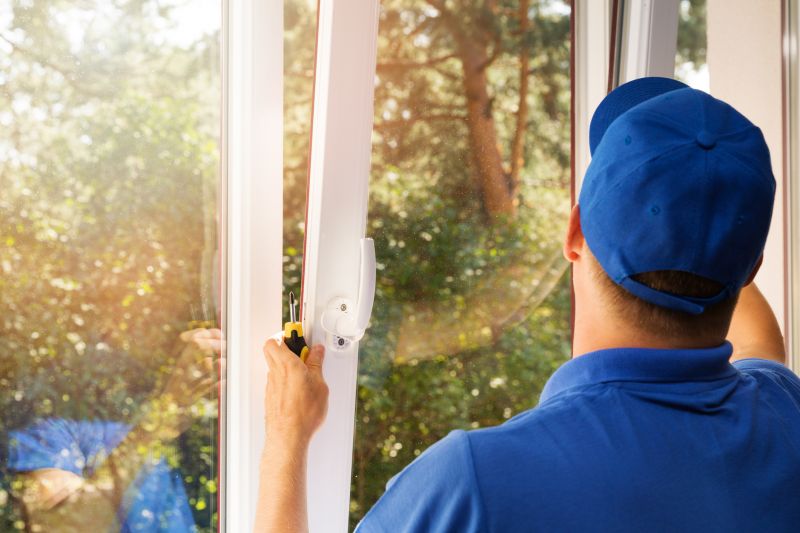
Extended daylight hours supporting efficient window installation.
Cool weather enabling precise sealing and finishing touches.
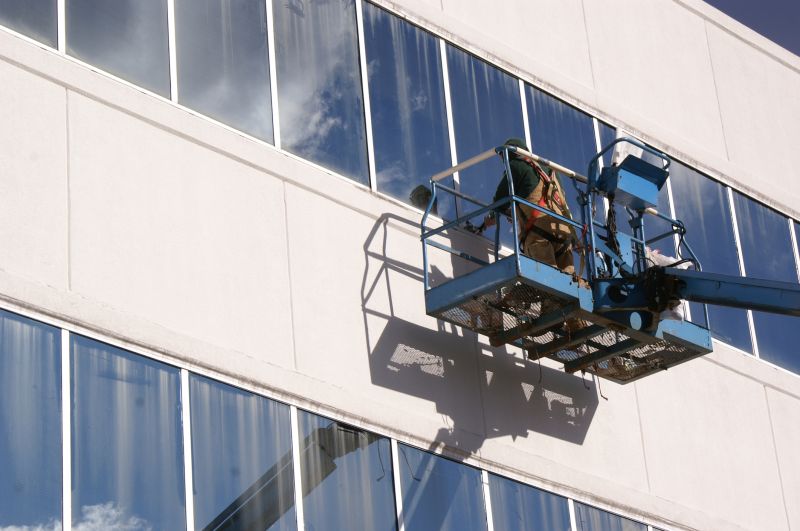
Cold conditions requiring specialized equipment for window installation.

Designs suited for various seasonal conditions to ensure durability.
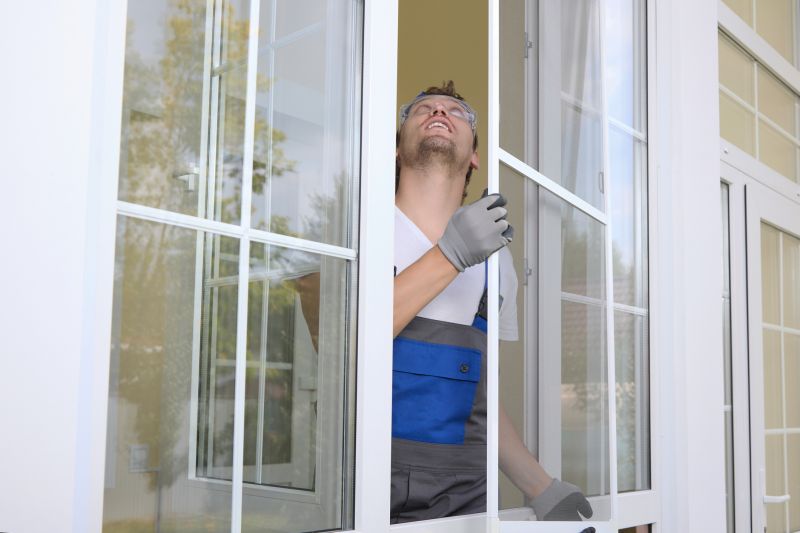
Experienced workers performing installations in diverse weather conditions.

Proper timing maximizes the benefits of energy-saving features.
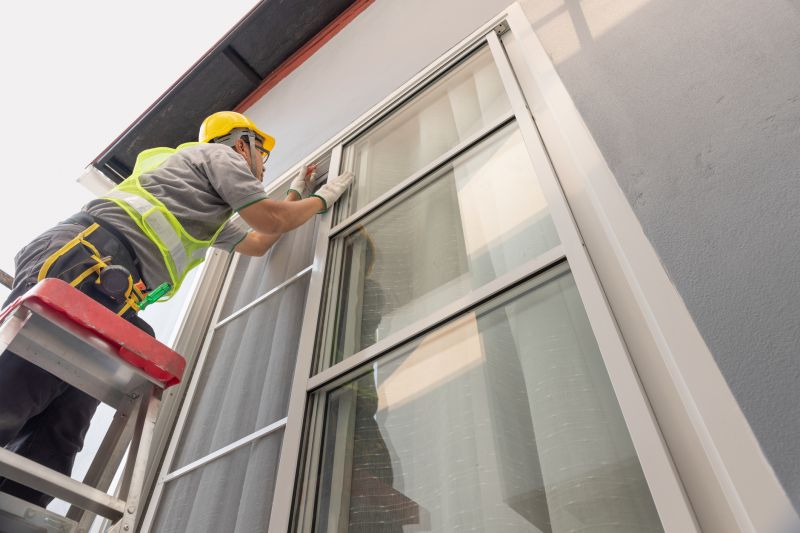
Preparation varies depending on seasonal weather patterns.
Choosing the right time for window installation can significantly impact the project's success. Factors such as local climate patterns, material specifications, and project timelines should be considered. Proper planning can lead to cost savings, improved energy efficiency, and longer-lasting results. Consulting with experienced professionals can help determine the most suitable window installation schedule for specific needs.
Interested parties are encouraged to contact for further information or to discuss scheduling options. Proper timing and preparation are essential for achieving optimal results in window installations.